
September 02, 2026
Do Shower Filters Really Work? What They Remove
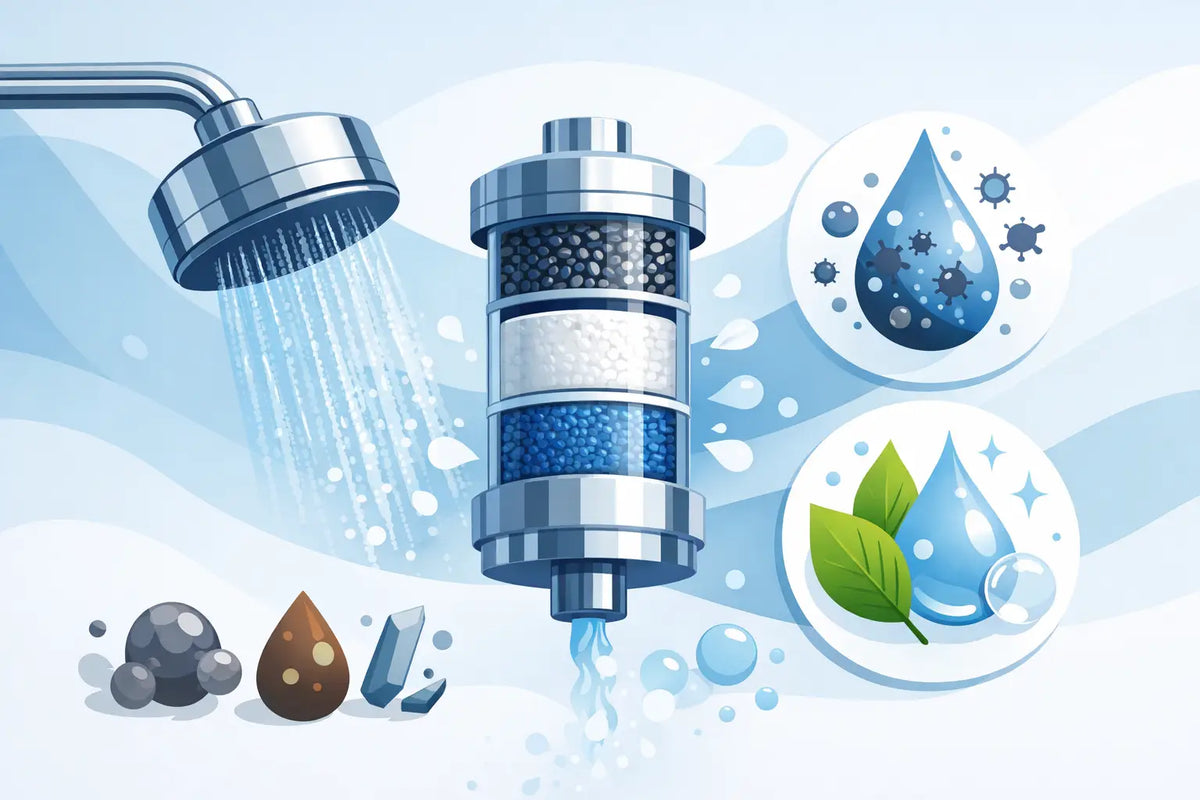
That sharp pool-like smell when the shower heats up is not your imagination. Chlorine and other volatile compounds can become more noticeable in warm water, leaving some people with dry-feeling skin, dull hair, or a bathroom that smells more like a public pool than home. So, do shower filters really work? Yes - when the filter is matched to the contaminant it is designed to reduce. The key is understanding what a shower filter can improve, and what requires a different water treatment solution.
Do Shower Filters Really Work for Chlorine?
For municipal water treated with free chlorine, a quality shower filter can make a meaningful difference. Most effective units use a combination of filter media such as KDF, activated carbon, calcium sulfite, or specialized blends. These media are designed to reduce chlorine and, depending on the product, may also help with certain metals, sediment, and unpleasant odors.
The benefits are usually sensory first. Water may smell cleaner, skin may feel less tight after bathing, and hair may be easier to manage. Families who shower frequently, people with sensitive skin, and homeowners who dislike chlorine odor are often the most likely to notice the change.
A shower filter does not make every water concern disappear. Its performance depends on water temperature, flow rate, chlorine level, cartridge condition, and the media inside. Hot shower water moves quickly, which gives filtration media less contact time than it would have in a slower-flowing drinking water system. That is why product claims, cartridge capacity, and replacement schedules matter.
What Shower Filters Can and Cannot Remove
A shower filter is a point-of-use treatment device. It treats water at one showerhead or in one section of the shower, not at every faucet and appliance in the home. That makes it a practical choice for a targeted comfort concern, but not a replacement for a whole-house system.
For chlorine-treated city water, the right filter can reduce chlorine odor and exposure during showering. Some models may also reduce sediment, rust particles, or select heavy metals when those contaminants are specifically addressed by the filter media and performance claims. A filter with KDF media, for example, is commonly used to support chlorine reduction and may help control certain metal-related issues.
However, shower filters generally are not designed to reliably remove dissolved minerals that cause hard water. If you see white scale on shower doors, spots on fixtures, stiff laundry, or buildup around faucets, you likely need a water softener or salt-free conditioning system matched to your water chemistry. A shower filter may make the shower experience more pleasant, but it will not stop hardness scale throughout the home.
They are also not the right stand-alone answer for every health-related water concern. Do not assume a shower filter removes PFAS, bacteria, viruses, nitrates, arsenic, or all dissolved contaminants unless the manufacturer provides clear, applicable performance data. For drinking water concerns, a properly selected reverse osmosis system, under-sink filter, or whole-house filtration system is usually the more appropriate path.
Chlorine and Chloramine Are Not the Same Problem
One of the most important details homeowners miss is the disinfectant used by their water utility. Many cities use free chlorine. Others use chloramine, a more stable disinfectant created by combining chlorine and ammonia. Chloramine tends to stay in the water longer and is generally harder to reduce, especially in the high-flow, hot-water conditions of a shower.
A basic shower filter that performs well against free chlorine may offer limited chloramine reduction. If your utility uses chloramine, look for a shower filtration product that specifically states chloramine reduction or is designed with media suited to that purpose. Do not rely on general language such as “improves water quality.” The contaminant claim should be clear.
You can usually find your local disinfectant information in your water utility's annual consumer confidence report. If you are on private well water, testing is even more important. Well water can contain iron, manganese, sulfur, sediment, hardness minerals, or bacteria - issues that call for treatment tailored to the test results rather than a one-size-fits-all shower filter.
Why Results Can Feel Different From One Home to Another
Two households can install the same shower filter and have very different experiences. One may immediately notice less chlorine odor and softer-feeling hair. The other may see little change because the primary issue is hard water, chloramine, iron, or an aging water heater.
Water pressure and showerhead flow rate also affect results. Faster flow means less contact time with the filter media. A high-output rainfall showerhead can be enjoyable, but it may reduce the time available for treatment compared with a standard-flow setup. Cartridge age matters just as much. Once the media is exhausted, the filter can no longer provide its intended reduction.
Replacement intervals are not merely a suggestion on the box. They are part of the system's performance. A cartridge rated for several months may need replacement sooner in a household with high water use, elevated chlorine levels, or several daily showers. If the chlorine smell returns, water flow drops, or the manufacturer’s replacement interval has passed, it is time to change the cartridge.
Choosing the Right Shower Filter
Start with the problem you want to solve. If your main concern is chlorine odor, dry-feeling skin, or hair that feels stripped after showering, a shower filter designed for chlorine reduction can be a straightforward upgrade. Confirm whether your utility uses chlorine or chloramine before choosing a model.
Next, consider installation. Inline shower filters install between the shower arm and showerhead, while filtered showerheads combine the showerhead and filter housing in one unit. Inline units give you more freedom to keep your preferred showerhead. Combined units can be a convenient option for a simple refresh.
Look beyond broad marketing claims. A worthwhile product should identify its filter media, expected cartridge life, flow rate, and the substances it is designed to reduce. It should also make replacement cartridges easy to obtain. A filter is only useful if you can maintain it on schedule.
If your concern includes scale, orange staining, sulfur odor, cloudy water, or water quality throughout the house, step back before buying a shower filter. Those signs often point to a broader treatment need. A whole-house sediment filter, iron system, water softener, carbon filter, or well water treatment system may protect your plumbing, fixtures, appliances, and every shower at once.
Are Shower Filters Worth It?
For the right household, yes. A shower filter is relatively affordable, simple to install, and can improve the experience of bathing in chlorinated water. It is especially useful when you rent, want a non-permanent option, or are focused on one bathroom instead of treating the entire home.
The trade-off is scope. It does not soften hard water, it does not guarantee removal of every contaminant, and it does not replace tested, whole-home treatment when the water issue affects more than the shower. Think of it as a focused tool: effective for the right job, but not a cure-all.
If you are unsure what is in your water or which treatment category fits your home, Pure Water Guys can help narrow the decision based on your water source, concerns, and household needs. Clean-feeling shower water starts with a clear diagnosis - and the right filter should solve the problem you actually have.