
September 24, 2026
Best Shower Filters for Chlorine That Work
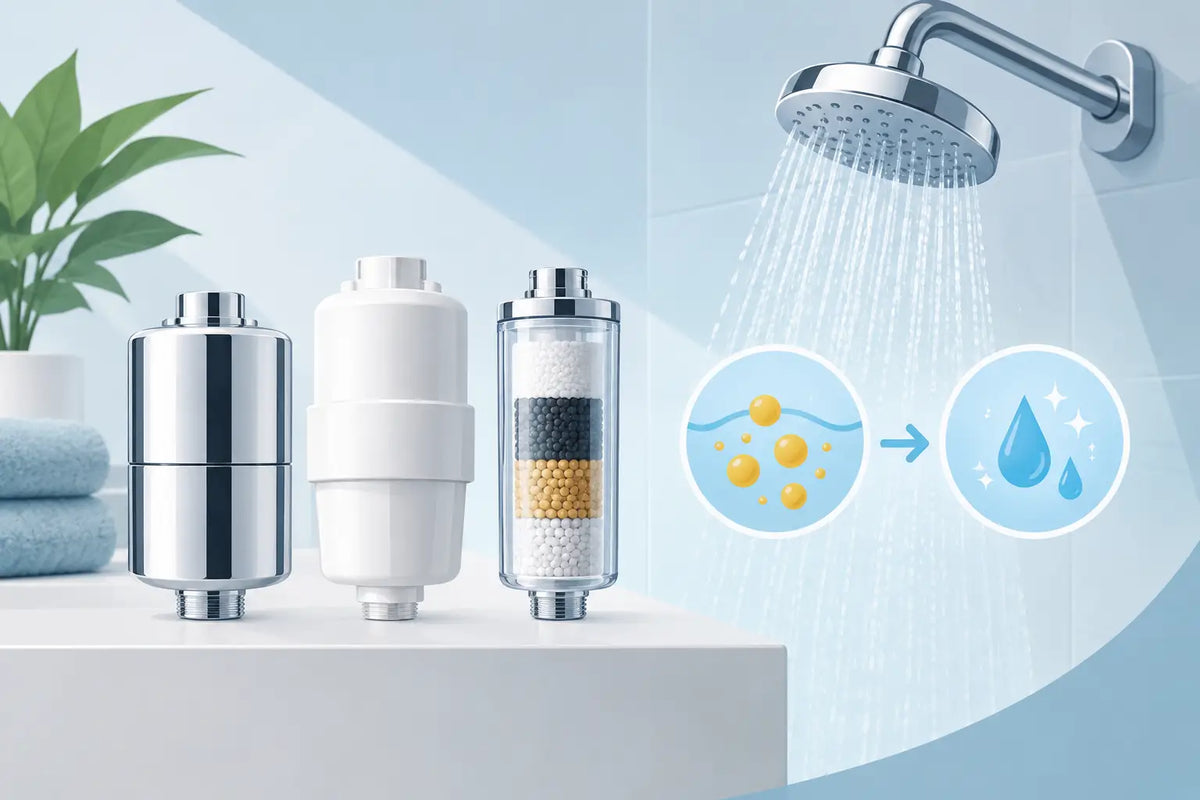
That sharp pool-like smell after a hot shower is not just unpleasant. Chlorine vapor and chlorinated water can leave skin feeling tight, hair looking dull, and the bathroom smelling harsher than it should. The best shower filters for chlorine reduce that exposure where it matters most: at the point of use, in warm water, every day.
A shower filter is not a replacement for a whole-house filtration system when your home has broad water-quality concerns. But for renters, smaller households, or anyone who wants better shower water without a major installation, it can be a practical first step. The key is choosing a filter based on your disinfectant, water conditions, and maintenance habits - not simply the package claim.
What the Best Shower Filters for Chlorine Actually Do
Municipal water suppliers commonly use chlorine to control bacteria as water moves through pipes. That disinfectant is useful before water reaches your home, but many people prefer to reduce its residual odor and feel at the shower.
A quality shower filter is designed to lower free chlorine, improve odor, and make water feel less aggressive on skin and hair. Results vary with incoming chlorine level, shower temperature, water pressure, and how much water your household uses. Hot water is especially challenging because it moves quickly and can release more chlorine odor into the air.
The right expectation is improvement, not a promise that every dissolved substance disappears. Most shower filters are not intended to soften hard water, remove dissolved salts, make water microbiologically safe, or deliver the broad contaminant reduction of a properly sized whole-house system. If hard scale, iron staining, sulfur odor, or well-water bacteria are part of the problem, the solution needs to be larger than a shower cartridge.
Chlorine and Chloramine Are Not the Same Problem
Before selecting a filter, find out which disinfectant your water utility uses. Many cities use free chlorine. Others use chloramine, a combination of chlorine and ammonia that is more stable in distribution systems and more difficult to reduce with standard shower filtration.
For free chlorine, activated carbon is a proven and widely used filtration media. In a shower filter, it often works alongside KDF media, which uses a redox process to help reduce chlorine and can support media performance in warm, flowing water. The exact blend differs by product, so look beyond broad phrases such as “multi-stage” and identify the media inside.
For chloramine, standard carbon-only shower filters may provide limited results because chloramine requires more contact time than a compact shower housing can offer. Some filters use catalytic carbon, calcium sulfite, or specialized media intended to address chloramine more effectively. Even then, performance depends on the filter design and the conditions in your home.
If your water report lists chloramine, choose a filter that specifically states chloramine reduction. Do not assume a chlorine claim covers it. This one detail prevents many disappointing purchases.
The Filter Features That Matter Most
Shower filters are often marketed with long lists of materials and dramatic “purification” language. The useful details are simpler: verified performance, appropriate media, practical service life, and a design that fits your shower.
Look for a Clear Chlorine Reduction Claim
A manufacturer should clearly identify chlorine reduction rather than relying on vague wellness benefits. Third-party testing or certification can provide additional confidence. NSF/ANSI 177 is a commonly referenced standard for shower filters and chlorine reduction, but it applies to a defined performance claim, not every possible contaminant.
Read the claim carefully. A filter tested for chlorine reduction should not be assumed to reduce PFAS, lead, hard-water minerals, or chloramine unless those reductions are separately stated. Good water treatment decisions begin with matching a product to a known problem.
Choose Media That Matches Your Water
For most chlorinated city water, a filter using activated carbon and KDF is a sensible starting point. Carbon helps with chlorine taste and odor, while KDF is commonly used in shower filtration for chlorine reduction and media support.
If chloramine is present, look for shower filters that name catalytic carbon, calcium sulfite, or another media specifically suited to chloramine. A larger-capacity inline housing may be a better choice than a small decorative showerhead filter because more media can mean more useful contact time.
Vitamin C filters are another option sometimes used for chlorine or chloramine neutralization. They can work under the right conditions, but they are not automatically the best fit for every household. Replacement frequency, cartridge formulation, and realistic performance data should guide the decision.
Pay Attention to Cartridge Life, Not Just Price
The lowest upfront price can become the more expensive option if cartridges need frequent replacement. Cartridge ratings are usually based on gallons or months, but a busy household can use a shower filter much faster than the label suggests.
A family taking multiple long showers each day should favor a higher-capacity replacement cartridge and set a maintenance reminder. Once media is exhausted, a filter may still allow water to flow normally while providing far less chlorine reduction. If the chlorine smell returns or skin and hair changes reappear, it may be time to replace the cartridge even before the stated interval.
Protect Water Pressure and Shower Comfort
A shower filter should improve your water experience, not turn a strong shower into a trickle. Restriction can occur when a filter is undersized, sediment builds up, or the cartridge approaches the end of its life.
If your water has visible sediment, rust particles, or heavy mineral scale, address those conditions upstream when possible. A shower filter is not designed to serve as a sediment filter for a broader plumbing issue. For homes with recurring particulate problems, whole-house prefiltration is usually the more durable answer.
Which Shower Filter Style Fits Your Bathroom?
Inline shower filters install between the shower arm and your existing showerhead. They are often the easiest choice when you already have a showerhead you like and want the flexibility to select a larger or more specialized filter cartridge.
Filtered showerheads combine the filter and showerhead in one unit. They can be convenient and visually simple, especially in a guest bath or rental, but cartridge size and replacement options may be more limited. Check that replacement cartridges are readily available before committing.
Handheld shower filters can be useful for bathing children, washing pets, or directing water where it is needed. As with any format, confirm that the filtration media is in the water path and that the product provides a specific chlorine or chloramine performance claim.
For a whole-home approach, a properly designed carbon filtration system treats water before it reaches showers, sinks, and appliances. This is often the better investment for homeowners who want chlorine reduction throughout the house, particularly when several bathrooms are in regular use.
Installation and Maintenance Are Part of Performance
Most shower filters install without a plumber. Turn off the shower, remove the existing showerhead if needed, wrap the threaded connection with plumber’s tape when recommended, and tighten connections by hand before checking for leaks. Avoid overtightening plastic housings.
Run water through a new filter according to the manufacturer’s instructions. Carbon-based media may release a small amount of fine black dust at first, which is typically flushed out during initial use. Keep the replacement schedule somewhere visible, because a forgotten filter is often an ineffective filter.
If you notice a sudden loss of pressure, leaking at the connection, or water bypassing the cartridge, inspect the seals and threads. Replace worn O-rings and cartridges with the correct model. A filter only protects your shower water when it is properly installed and maintained.
When a Shower Filter Is Not Enough
A shower filter can be an excellent targeted solution for chlorine odor and everyday bathing comfort. It is not the right standalone answer for every water concern. Hard water needs softening or scale-control equipment. High iron, sulfur, manganese, sediment, or bacteria generally require source-specific whole-house treatment. Drinking-water contaminants may call for a properly selected under-sink or whole-home system.
If you are unsure whether your concern is chlorine, chloramine, hardness, or something else, start with your local water quality report or a water test. Pure Water Guys can help match the water problem to a treatment approach that makes sense for your home, usage, and budget.
Better shower water should feel like a relief, not another maintenance mystery. Choose media that matches your disinfectant, replace cartridges on schedule, and step up to whole-home treatment when the problem reaches beyond one shower.