
July 06, 2026
7 Best Reverse Osmosis Systems to Consider
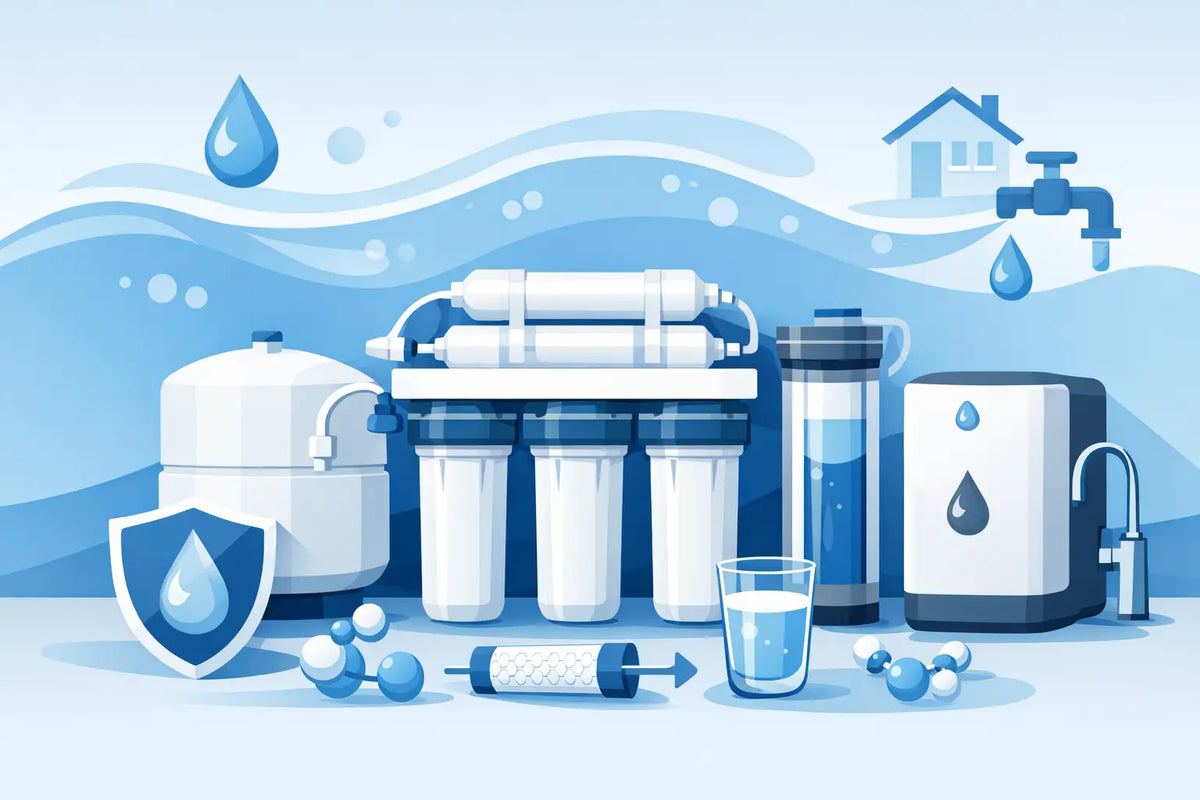
When people search for the best reverse osmosis systems, they are usually trying to solve a very specific problem: bad-tasting water, concern about contaminants like PFAS, or frustration with bottled water costs that never seem to end. The challenge is that a reverse osmosis system can be excellent on paper and still be the wrong fit for your sink, your water conditions, or the way your household actually uses water.
That is why the best system is rarely just the one with the most stages or the highest claims. It is the one that matches your water quality, available space, flow expectations, maintenance tolerance, and budget. Pure water should feel simple and dependable, not like another home maintenance mystery.
What makes the best reverse osmosis systems worth buying
A good reverse osmosis system does more than improve taste. It helps reduce a wide range of dissolved contaminants, often including total dissolved solids, lead, arsenic, nitrates, fluoride, and many PFAS compounds when the system is properly designed and maintained. For homeowners, that means more confidence at the kitchen sink. For offices, cafes, and light commercial spaces, it can also mean more consistent water for drinking, ice, beverages, and food prep.
Still, not every RO setup delivers the same experience. Some systems prioritize compact size. Others focus on faster tankless production, better faucet flow, or easier filter changes. A few are built for specialty use cases, like low feed pressure or commercial demand. The best reverse osmosis systems balance performance with day-to-day usability.
The 7 best reverse osmosis systems for different needs
1. Traditional under-sink tank RO systems
This is still the most common and practical option for many households. A traditional under-sink system uses prefilters, an RO membrane, and a storage tank so treated water is ready when you turn on the faucet. It is a proven design, replacement parts are widely available, and it usually offers strong value for the money.
This type is often a smart choice for families that want reliable contaminant reduction without paying a premium for newer tankless designs. The trade-off is space. The tank and filter assembly take up room under the sink, and some homeowners simply do not have it.
2. Tankless reverse osmosis systems
Tankless RO systems are popular for modern kitchens because they save cabinet space and often provide cleaner-looking installations. Many also offer faster filter swaps and smarter monitoring features. If aesthetics and convenience matter, this category deserves a close look.
The trade-off is cost. Tankless models are usually more expensive upfront, and performance can depend more heavily on incoming water pressure. In homes with weaker pressure, they may need a booster pump or a different system design to perform at their best.
3. RO systems with remineralization
Some homeowners love the purity of RO water but miss a fuller taste. Systems with a remineralization stage add back small amounts of minerals after filtration, which can improve flavor for some users. This can be especially appealing if standard RO water tastes too flat to your household.
It is worth knowing that remineralization is mainly a taste and preference feature, not a reason to ignore core filtration quality. If a system has a great final stage but weak contaminant reduction where it counts, it is not one of the best reverse osmosis systems. Performance comes first.
4. Reverse osmosis systems built for PFAS concerns
If PFAS is one of the reasons you are shopping, focus on systems that are clearly positioned for serious contaminant reduction rather than generic taste improvement. Reverse osmosis is one of the most trusted residential technologies for reducing many PFAS compounds, but results depend on the membrane quality, prefiltration, pressure, and maintenance schedule.
This is a category where buying by marketing language alone can backfire. If your concern is PFAS, choose a system from a supplier that can help match the product to your specific water goals and explain realistic maintenance needs.
5. High-capacity RO systems for large families
A small system may work fine for one or two people, but large households often notice the limits quickly. If several people are filling bottles, cooking, making coffee, and using filtered water throughout the day, a higher-capacity system with stronger production and good storage becomes much more important.
The best option here depends on usage patterns. Some families do well with a traditional tank system sized appropriately. Others prefer a high-output tankless unit. The right answer usually comes down to daily demand and available pressure.
6. Commercial and light industrial RO systems
For restaurants, labs, offices, and facilities, residential recommendations only go so far. Commercial reverse osmosis systems need to be selected around flow rate, peak demand, feed water quality, recovery rate, storage needs, and installation constraints. If you need RO for ice machines, coffee service, food prep, or process water, system sizing matters as much as filtration quality.
This is where expert specification support becomes especially valuable. An undersized unit creates operational headaches. An oversized one can add unnecessary cost. The best commercial RO system is the one built to scale for your actual workload.
7. RO systems with booster pumps for low-pressure homes
Reverse osmosis depends on pressure to push water through the membrane. If your home has low incoming pressure, standard systems may produce water more slowly and less efficiently. A model with a built-in booster pump can solve that problem and improve both production and overall performance.
This is one of the most overlooked buying factors. Homeowners sometimes assume their disappointing RO experience was caused by a bad brand when the real issue was poor pressure. The system and the water conditions have to work together.
How to choose among the best reverse osmosis systems
Start with the reason you are buying. If your main complaint is chlorine taste, a simpler solution may work. If you are trying to reduce dissolved contaminants like fluoride, nitrates, lead, arsenic, or PFAS, reverse osmosis is much more likely to be the right path.
Then look at your installation reality. Under-sink space, drain access, water pressure, and whether you want a dedicated faucet all affect which system makes sense. A sleek tankless unit can look appealing until you realize your plumbing setup favors a traditional tank model with easier service access.
Maintenance is another deciding factor. Every RO system needs filter and membrane changes. Some make that process quick and clean. Others require more time and confidence from the homeowner or installer. If you want low-hassle ownership, prioritize systems with straightforward replacement schedules and clear support.
Finally, think beyond the product page. The best reverse osmosis systems are not just good boxes with filters inside. They come with real guidance on sizing, contaminant goals, and replacement planning. That support can save you from buying twice.
Common mistakes people make when buying RO systems
One mistake is choosing only by stage count. More stages do not automatically mean better protection. What matters is the quality and function of each stage, especially the membrane.
Another is ignoring daily demand. A compact system may be fine for a small household, but it can feel inadequate in a busy kitchen. Slow refill times are one of the biggest reasons people regret an otherwise solid purchase.
A third mistake is skipping water context. City water and well water can present very different challenges. Reverse osmosis can address many contaminants, but pretreatment may be needed depending on sediment, iron, hardness, or microbial concerns.
When reverse osmosis is the right answer
Reverse osmosis makes the most sense when you want a higher level of drinking water filtration than a basic carbon filter can provide. It is especially attractive for households trying to reduce a broad set of dissolved contaminants, cut bottled water costs, and get consistently better-tasting water at one point of use.
It is not always the whole-home answer, and that matters. RO is typically designed for drinking and cooking water, not every tap in the house. If your property also has hard water, sulfur, sediment, or whole-house chlorine issues, those may need separate treatment alongside your RO system.
A better way to shop for the best reverse osmosis systems
The smartest buyers do not start with brand hype. They start with the water problem, the installation space, and the level of support they want after the sale. That approach leads to better results and fewer surprises.
If you are comparing the best reverse osmosis systems, look for a provider that can help you narrow the field based on your actual needs, whether that is a compact under-sink unit for a family kitchen or a built-to-scale commercial setup for a growing operation. Clean water should feel protective, practical, and easy to trust. The right system does exactly that, every day you use it.